
- Digital certificates are used for identifying the author (who created the keys) and generally issued by a certification authority (CA)
- A Digital certificate includes:
– User (entity) Information
– User’s public key
– Digital signature of the CA
– Issue and expiry date - Types of Digital Certificates
– Secure Socket Layer (SSL) Server certificates
– Code Signing certificates
– Client Certificates

Certification Authorities
- In Java, there are defined sets of trusted certificates provided by some trusted certification authorities such as VeriSign, Entrust or Thawte
- The Java platform has a special inbuilt key store, cacert that contains certificates from trusted CAs ($JREHOME/lib/security/cacerts)
- In Java, the class that represents digital certificates is java.security.cert.Certificate
- Example: ANSI standards and X509 certificates use distinguished name (DN) convention to identify the entities that include
– commonName (CN)
– organizationUnit (OU)
– organizationName (O)
– localityName (L)
– stateName (S)
– country (C)
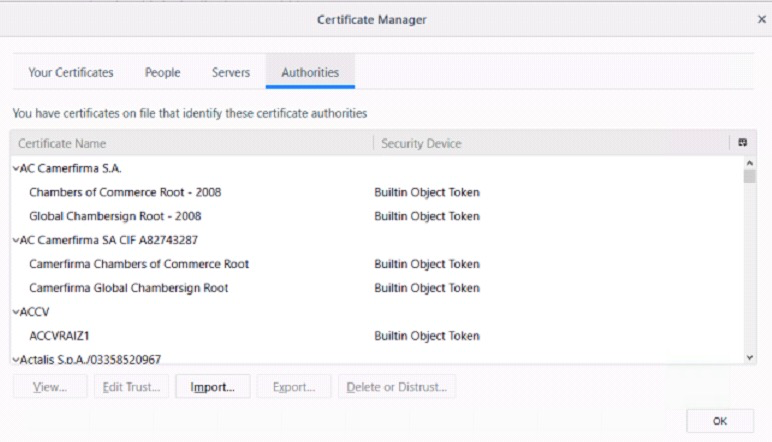
Certification Authorities (Cont’d)

 Cheng®